





Car Tax Calculator

Check road tax rates for 6 and 12 months by entering any UK registration. We query live DVLA (Driver and Vehicle Licensing Agency) records to verify active tax status, renewal due dates, and off-road status (SORN – Statutory Off Road Notification). Uncover the car, discover the truth

View Sample Report
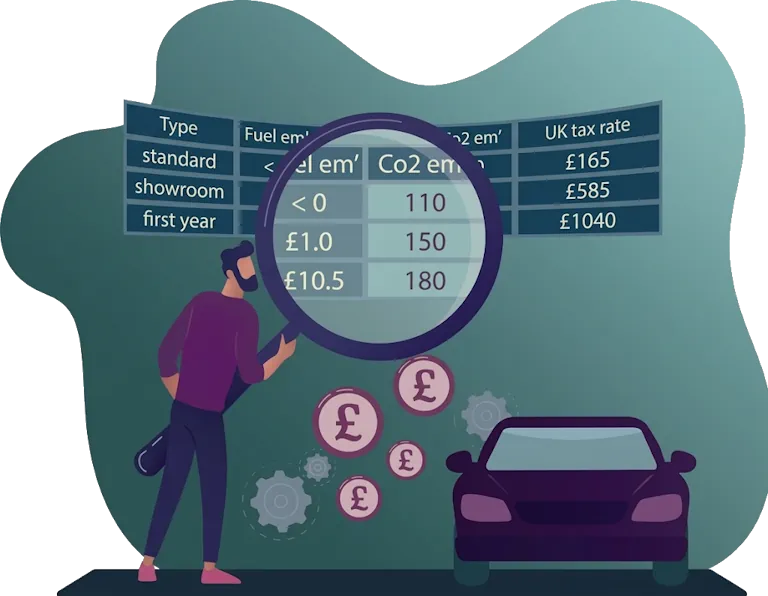
Illustration of a figure with a magnifying glass examining a huge spreadsheed of figures repsenting car tax costs with a car to the bottom right

How your car tax is worked out

The road tax you pay is determined by when the vehicle was first registered — the DVLA (Driver and Vehicle Licensing Agency) operates three distinct tax calculation systems. Enter your registration plate to see which rules apply to your car.

FROM APR 2025
Flat standard rate & EV supplement

Brand new cars pay a first-year carbon dioxide (CO2) showroom rate (EVs pay £10). From year two onward, all powertrains pay the flat standard rate (£195/year), with hybrid discounts abolished. Any vehicle—petrol, diesel, hybrid, or EV—with an original list price over £40,000 incurs the expensive-car supplement (£425/year) in years two through six.

* Note (2026/27): Standard flat rate is £200/yr; the Expensive Car Supplement is £440/yr (£640 total), triggered above £40,000 for combustion/hybrid cars and £50,000 for pure electric vehicles.

Rate driven by: registration date + list price + CO2

FROM APR 2017 - MAR 2025
Flat standard rate (EV luxury exempt)

A first-year showroom rate based on carbon dioxide (CO2) emissions applies when brand new. From year two onward, every car transitions to a flat standard rate (£195 a year for 2025/26), whether petrol, diesel, hybrid, or electric (EV). Vehicles with an original list price over £40,000 incur the expensive-car supplement in years two through six.

Rate driven by: registration date + list price

MAR 2001 – MAR 2017
CO2 bands A–M

Thirteen graduated bands based on official tailpipe CO2 emissions (grams per kilometre, g/km), payable annually across the lifetime of the vehicle. Economical low-emission cars in the lowest bands pay £20–£35 a year, while higher-emission models in band M pay over £700.

Rate driven by: CO2 g/km on the V5C

BEFORE MAR 2001
Engine size

Two clear tiers based purely on engine capacity (displacement in cubic centimetres, cc): engines up to 1549cc pay the lower rate, while engines 1550cc and above pay the higher rate. CO2 output is not factored in. Classic vehicles over 40 years old qualify for historic vehicle tax exemption at £0.

Rate driven by: engine capacity (cc)

Why a calculator by reg beats a generic rate table: road tax calculation depends on first registration date, official CO2 output, fuel type, original manufacturer list price (including factory options), and Real Driving Emissions (RDE2) compliance. Because all these factors are recorded on the vehicle's official DVLA record, entering your registration plate gives you the exact figure without guesswork.

Key road tax rates at a glance (2025/26)

The rates below reflect the standard UK Vehicle Excise Duty bands for 2025/26. Rates are updated annually with government budgets — our free registration lookup always shows the live rate for your specific vehicle.

Standard rate
Annual rate, from year two
£195/year

All cars registered from April 2017 onwards — petrol, diesel, hybrid and (since April 2025) electric.

Expensive-car supplement
The "£40k list price rule"
+£425/year

Cars with an original brand-new list price over £40,000, in years two through six — EVs included since April 2025.

First-year showroom rate
Paid once, at first registration
£10 – £5,490

New cars, scaled by CO₂ emissions — high polluters (255+ g/km) pay top rate; zero-emission EVs pay minimum.

2001–2017 CO₂ bands
Bands A through M, annual
£20 – £735/year

Cars registered March 2001 – March 2017, determined by official emissions band on the V5C logbook.

Historic vehicle exemption
Rolling 40-year qualification
£0

Vehicles built more than 40 years ago, once officially registered with the DVLA under the historic vehicle tax class.

Direct Debit surcharge
Monthly or 6-monthly payment
+5%

Applies to anyone choosing to split road tax payments into monthly or 6-monthly Direct Debit instalments rather than 12 months upfront.

Check your car tax price in three steps

Instant, free vehicle tax lookup powered by live official UK vehicle data.

01
Enter the registration

Type any UK number plate into the search bar above — completely free, with no account registration or card required.

02
Live DVLA data lookup

We retrieve the vehicle's registration date, fuel type, CO₂ emissions, and engine displacement to calculate the exact tax band.

03
See rates, status and due date

Review both 6-month and 12-month VED (Vehicle Excise Duty) rates, current road tax status (Taxed or SORN), and exact expiry date alongside MOT history.

Buying a car?

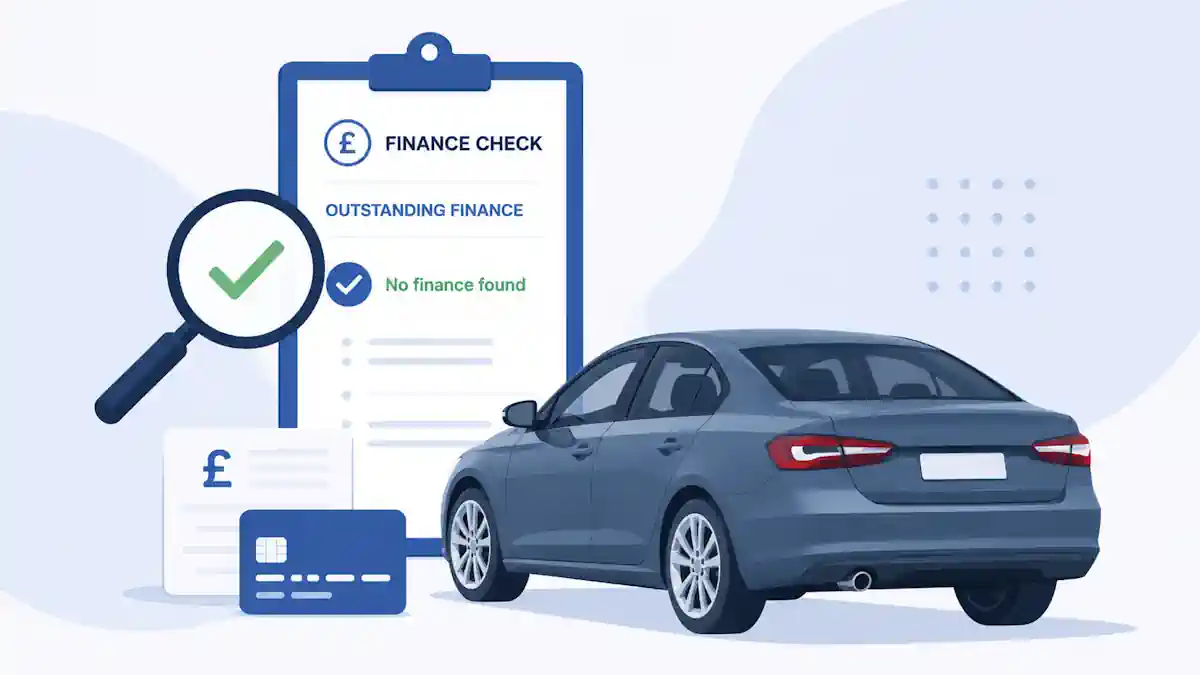
Road tax does not transfer with vehicle ownership — you must tax the car yourself before driving away on public roads, while the seller receives an automatic DVLA refund for full remaining months. Always check the tax rate before buying: vehicles with an original list price above £40,000 carry the £425 supplement (£620 total per year), and older high-emission diesels can carry substantial running costs. Running a full Check‑Buy‑Drive vehicle check also uncovers outstanding finance agreements, insurance write-off markers, and recorded mileage fraud before you commit.

Car tax — frequently asked questions

Clear answers to common questions about UK vehicle tax bands, rates, exemptions, and renewal rules.

How do I check the road tax price for a car by registration?

Enter the vehicle registration in the search box above. The free Check‑Buy‑Drive lookup inspects official DVLA records — registration date, fuel type, CO₂ emissions, and engine size — and immediately displays current 6-month and 12-month road tax rates, current tax status, and the exact expiry date. It works for vehicles you own as well as cars you are considering buying.

How much is my car tax?

It depends on when your vehicle was first registered. Cars registered from 1 April 2017 pay a flat standard rate (£195 a year for 2025/26), plus an additional £425 a year expensive-car supplement in years two through six if the original brand-new list price was over £40,000. Cars registered between March 2001 and March 2017 pay according to CO₂ emissions bands (ranging from £20 to £735 a year). Pre-2001 cars pay based on engine capacity (£210 or £345/year). Enter your registration plate in our free search above to view the exact 6- and 12-month rates for your specific car.

What happens to road tax when I buy or sell a car?

Road tax is strictly non-transferable. When selling a vehicle, the DVLA automatically cancels the tax and refunds any remaining full months to the registered keeper. When buying, you must tax the car yourself before driving on public roads using the V5C logbook reference or V5C/2 new keeper slip. Checking the tax rate before buying is essential because an advertised 'taxed' status does not apply to you as a new keeper.

How do I check when my car tax is due?

Type your registration number into the search bar above — our free check shows current road tax status and the exact expiration date. Unlike MOTs, there is no grace period for vehicle tax: driving an untaxed car on public highways risks an automated £80 fine, wheel clamping, and court prosecution. If your vehicle is off the road in a garage or private driveway, you can declare SORN (Statutory Off Road Notification).

What are the car tax bands?

The UK uses three distinct road tax regimes based on registration date: (1) Registered from April 2017 onwards: a CO₂-based first-year showroom rate paid once, followed by a flat standard rate every subsequent year (plus £40k luxury supplement if applicable); (2) Registered March 2001 – March 2017: thirteen lettered bands (A–M) based entirely on official tailpipe CO₂ emissions; (3) Registered before March 2001: two simple bands based on engine size (up to 1549cc or above 1549cc).

What is the £40,000 car tax rule?

If a car's original manufacturer list price (including factory options and VAT, before any dealer discount) exceeded £40,000 when new, an additional £425 annual supplement is charged on top of the standard rate from years two through six (totaling £620 per year). This surcharge attaches to the vehicle, not the keeper: buying a three-year-old car that had a £40k+ original list price means you inherit the surcharge for the remaining eligible years.

What is the difference between tax due date and ART end date?

The tax due date is the date when a vehicle's current road tax expires and renewal payment is due to remain road-legal. The ART end date (Automated Rate of Tax) is a longer-term milestone indicating when a temporary tax rate or surcharge ends. Most commonly, it marks the end of the five-year expensive-car supplement (£425/year for cars with an original list price over £40,000), after which the annual tax drops back down to the baseline standard rate.

Do electric cars pay road tax?

Yes — as of 1 April 2025, zero-emission electric vehicles are subject to Vehicle Excise Duty (VED). Electric cars now pay the flat standard annual rate (£195/year) like petrol and diesel vehicles, and new EVs pay an initial first-year rate. Furthermore, electric cars with an original list price exceeding £40,000 must pay the £425 expensive-car supplement in years two through six. Older EVs registered between 2001 and 2017 moved to the £20 annual band.

Can I pay car tax monthly?

Yes. You can pay by Direct Debit in monthly or 6-monthly instalments, though both carry a 5% surcharge compared to paying for a full 12 months in advance. Paying the full 12-month amount upfront is the most cost-effective option. Setting up Direct Debit provides automatic renewal so you never risk missing a renewal date.

Is my car exempt from road tax?

The primary exemptions include: historic vehicles built over 40 years ago (on a rolling 40-year basis), vehicles used by disabled drivers receiving qualified mobility allowances, and specific emergency or agricultural vehicles. Even if your vehicle qualifies for £0 tax, you must still process an annual renewal with the DVLA to keep the tax status valid.

Why is my diesel car's tax higher than the calculator suggests?

Diesel vehicles first registered from 1 April 2018 that do not meet Real Driving Emissions Step 2 (RDE2) standards were moved up one tax band for their first-year showroom tax. This only impacts the initial first-year rate; from year two onward, they pay the standard flat rate. Check‑Buy‑Drive checks the vehicle's exact DVLA record so you see the precise figures.

No registration yet? No problem.
Buy report credits to use or share later

Buy now and keep your report credits for when you find the right vehicle — or send a check link to someone else.

Use when you're ready
Share with a friend or family member
Buy report credits

What Our Report Reveals

Comprehensive Vehicle Details

Our report provides essential information about the vehicle, including its make, model, year of manufacture, body type, fuel type, engine specifications, and transmission. This ensures the car's declared specifications match the actual details, giving you a clear picture of what you're buying.

Vehicle illustration

Our data comes from reliable sources such as the DVLA and UKVD.

We check for writeoffs, mileage clocking, and other issues.

VOSA MOT logo DVLA logo Vehicle Data Global logo

Choose Wisely

Ensure your next vehicle is a reliable companion for your journeys.
Save Valuable Time
Save Valuable Time

Skip countless test drives and wasted hours. Filter through offers efficiently by knowing the vehicle's true condition upfront.

Avoid Costly Mistakes

Access the full vehicle history to ensure you're not buying a money pit. Our comprehensive reports uncover hidden issues before they become your problem.

Negotiate a Better Deal

Once you find your dream vehicle, use the detailed information from our report to confidently negotiate a fair and lower price.

Did you know?

More than 40% of cars on UK roads are at least 10 years old.

DfT · 2024 · Open Government Licence v3.0

There are 42.4 million licensed vehicles on UK roads — roughly one for every 1.5 people.

DfT · Q3 2025 · Open Government Licence v3.0

The average UK car is nearly 10 years old — the oldest average age ever recorded.

DfT · 2024 · Open Government Licence v3.0

An estimated 498,000 vehicles on UK roads have no valid Vehicle Excise Duty — that's 1.2% of the entire fleet.

DfT · 2023 · Open Government Licence v3.0

Nearly 6 in 10 cars on UK roads still run on petrol — electric vehicles make up just 3.7% of the fleet.

DfT · end 2024 · Open Government Licence v3.0

Your Vehicle History Report

Want to avoid unpleasant surprises?

Check the vehicle history before buying!

Enter the REG and see a detailed report that will help you make a confident decision.

Have Questions? We're here to help

Get the support you need, precisely when you need it. Simply send us a message, and our dedicated team will get back to you with answers.

Illustration of two people shaking hands

The Check Buy Drive blog

Latest from the blog

News, stories and practical ideas for buying, checking and owning a car.

Debug menu

This section won't be seen in the real version.

Enter any reg with an A


There is a little 'bug' icon in the reg input controls throughout the pages that will bring up a list of all the regs with an A in them. They are categorised by state of the vehicle, e.g. stolen, written off, etc.

Some of the vehicles in this list no longer exist. The app should tell you though.

During the checkout process

you don't enter a real credit card, you can use this test one:


✔️ card number - 4242 4242 4242 4242
✔️ expires 12/29
✔️ CVV 123

Check Buy Drive logo
© 2026 - Check. Buy. Drive. - All rights reserved.
An unhandled error has occurred. Reload 🗙